We Are Righteous Brand Timeline: Defining Markers and Releases
Formal announcements aren’t where most of this history lives—more often it’s shaped through release dates, fabric choices, and grassroots buzz. We Are Righteous earned its standing through patience, not hype, via consistent releases and a community that focuses on cut, heft, and long-term wear rather than hype. Here we gather what’s documented about the brand’s growth, the kind of pieces that shaped each phase, and what the label looks like heading into 2026. Those digging into a righteous review pre-checkout will find the pattern repeats: steady product evolution instead of one viral moment.
Rather than a corporate history listing precise founding dates, what follows avoids unverifiable detail. Instead, this is a down-to-earth look at how the label’s image and product range have evolved, organized by the stages buyers most often recognize when they weigh first-generation garments to what’s currently listed.
The Early Identity: Establishing What “Righteous Clothing” Represents
The brand formed its early identity on a straightforward notion—that clothing ought to carry weight, physically in fabric and figuratively in meaning—since every clothing brand needs a purpose past mere product sales. The name itself pulls its weight. It signals conviction rather than trend-chasing, and that stance shows up in how the brand talks about its garments still today. First-wave buyers weren’t after branding alone; they were buying into a stance.
In this initial phase, the catalog was necessarily smaller. Limited SKUs meant the brand could concentrate on perfecting its essentials before diversifying into extras or secondary lines. This is typical of Righteous Clothing-style peers that survive past year one: a focused, curated lineup beats a bloated product range with uneven craftsmanship. The brand’s first wave of buyers tended to be shoppers who discovered it via grassroots buzz or small online circles instead of sponsored marketing, which shaped a gradual yet devoted trajectory of growth.
By this point in the piece, it’s worth noting that this phase is also when a brand’s loyal shoppers start building views that later become shared opinions online. The first righteous review threads and comments tend to zero in on two things: whether the fit matched expectations, and whether the piece lasted after several trips through the laundry. Both concerns recur all through the brand’s later releases too, suggesting that the base established in this period persisted instead of getting scrapped in righteous sweatshorts favor of reinvention.
Scaling Up: Broadening the Righteous Catalog
When a core following are sold on the label’s foundational styles, widening the range becomes the natural next step. We Are Righteous broadened its assortment beyond initial staples into a more expansive righteous apparel range, folding in layering pieces, outerwear-adjacent items, and seasonal variations on its core silhouettes. This marks the point where a brand generally figures out whether its ambition is to be a one-hit design house or an actual wardrobe source, and the broadening into several categories signals the latter ambition.
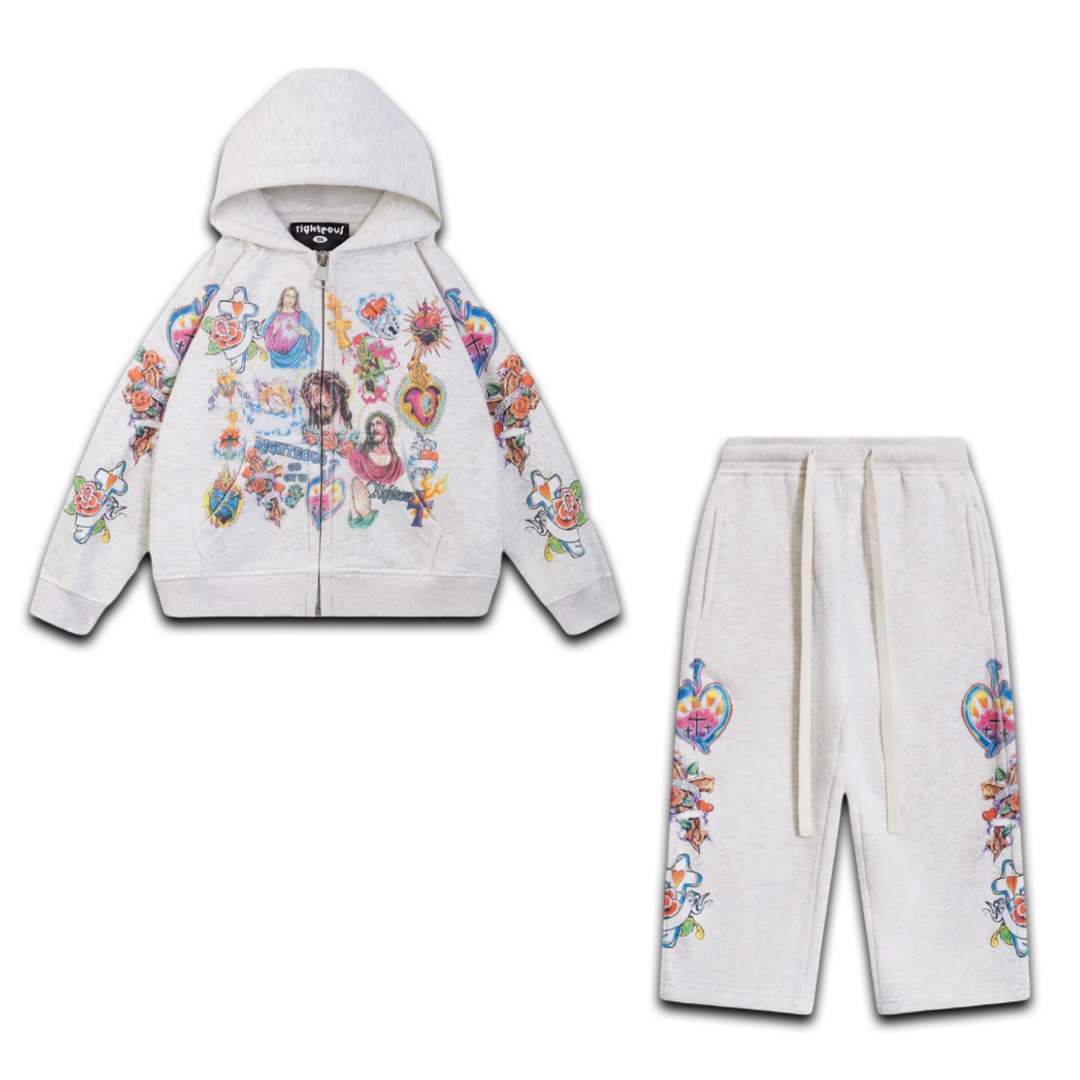
The hooded piece became a standout centerpiece during this stretch. Within street-style circles, a righteous hoodie is far more than a mid-layer — it’s frequently the garment that defines whether a label’s shape vocabulary comes through on the body. Starting with sleeve length to how the hood hangs to body taper, nailing the fit takes iteration. Multiple releases throughout this window suggest the label regarded this hooded piece as a signature item that merited fine-tuning rather than a filler product between “hero” drops.
As labels expand, this is also the stage at which sizing up alternatives becomes relevant. Shoppers weighing a we are righteous purchase against rival brands tend to look at three factors: how a product is priced, how well something is made, and how limited or reproducible a given release is. Brands that mismanage growth usually trip up in one of these three areas — either charging more without improving materials to match, or letting quality slip to reach bigger production numbers. Though its lasting presence in the current lineup suggests it navigated this tradeoff fairly well, specific item reviews should still be checked against the specific item itself, not treated as consistent across the whole range.
Mid-Period Output: Consolidation and Community
Somewhere in the middle of any brand’s life cycle, growth slows just enough that the label can focus on reinforcing what already works. This is the consolidation phase, and for We Are Righteous it appears to be marked by refinement of existing silhouettes rather than constant reinvention. Restocks of proven pieces, subtle updates to fits based on customer feedback, and a tighter release calendar all point to a brand settling into an identity rather than chasing every micro-trend in streetwear.
Community engagement is critically important in this phase. A principled clothing brand that survives past its first few hype cycles generally pulls it off because it has nurtured real repeat shoppers, not just initial impulse shoppers. It’s loyal shoppers who give thorough reviews, call for wider size offerings, and effectively co-design the next iteration of a garment via the input from reviews and return patterns. This kind of feedback loop is not visible to people outside the brand but reveals itself obliquely in how a catalog evolves over multiple seasons.
Another thing worth mentioning that a period of consolidation isn’t the same as standing still. Brands in this phase often run low-key experiments — testing a new fabric weight, recalibrating the fit block, or rolling out a limited-run colorway — without making it the focal point of a marketing campaign. These small experiments build up over time, and by the time a brand hits its next visible growth spurt, the legwork has already been done. This pattern is common enough across independent labels that it’s a reasonable lens for interpreting the middle years of any streetwear brand’s history, We Are Righteous included.
Where the Brand Stands Moving Into 2026
In an industry where most brands from that same era have either changed course completely or vanished, We Are Righteous, heading into 2026, holds a spot that many independent labels aim for but few reach: a recognizable identity within streetwear circles that doesn’t require constant reinvention to stay relevant. The brand’s continued presence in conversations about righteous clothing suggests staying power rather than a fading trend — a meaningful distinction indeed.
Since a larger purchase history now exists, buyers currently looking into a we are righteous review in 2026 are likely to find more detailed, extended commentary than in the brand’s earlier years. New customers benefit directly from this maturity: instead of guessing at fit or fabric behavior from a single product photo, they can compare several seasons’ worth of feedback on comparable silhouettes, reducing the risk of buying clothing online without seeing it first.
Going forward, the label’s trajectory points to continued focus on core categories rather than aggressive diversification into unrelated product lines. That’s a sensible strategy for keeping quality control intact, and it is consistent with what devoted fans of a righteous clothing label tend to want most: reliable consistency year after year, rather than an endless flow of unrelated items watering down the brand’s focus.
Comparing Brand Phases: A Quick Reference
The summary below summarizes the broad traits of each phase covered earlier. It’s meant as a reference point for seeing how the label’s focus evolved over time, not as an official corporate account.
| Phase | Core Priority | Range Size | Customer Feedback Pattern |
|---|---|---|---|
| Formative Stage | Establishing core message and fit | Compact, carefully curated | Grassroots buzz, niche community finds |
| Expansion | Broadening categories, dialing in the hoodie fit | Broadening, spanning several categories | Comparison shopping, early public reviews |
| Stabilizing Phase | Polishing proven pieces, running restocks | Stable with select limited drops | Repeat buyer feedback loops |
| 2026 Position | Upholding consistency and brand identity | Established, focused | Feedback that spans several seasons |
What This History Means for New Customers
If you’re new to the brand and trying to decide whether a purchase is worth it, the timeline itself offers a useful signal. A label that has moved through identity-building, expansion, and consolidation phases without collapsing or pivoting entirely has, at minimum, proven it can survive the pressures that kill most independent apparel brands within a few seasons. That’s not a guarantee of satisfaction with any individual item, but it does suggest the brand has systems in place for quality control and customer feedback that newer labels haven’t had time to develop.
Prior to purchasing, it’s nevertheless worth looking over up-to-date size charts, composition listings, and individual item pages directly, since such specifics shift release to release and shouldn’t be assumed just from historical patterns. The timeline explains why the brand behaves the way it does; it doesn’t replace checking the specifics of the exact hoodie, tee, or jacket you’re considering. Let this backstory inform you, but cross-reference it with the actual listing details before you decide.
At the end of the day, brand longevity in streetwear is built through the unglamorous grind of showing up — replenishing the pieces that resonate, acting on feedback about fit, and holding back from chasing each new trend that comes along. This seems to be the connective thread connecting every phase of the We Are Righteous story, from its first limited small-batch drops to its today’s , more firmly established catalog heading further into 2026.