We Are Righteous: The Beginning Behind the Scenes of the Label
A backstory that nearly every clothing brand claims, yet very few can show the particular tension that made the brand necessary from day one. We Are Righteous was born out of a plain frustration: too many apparel brands were pushing posturing without substance, slapping catchphrases on flimsy cotton and calling it culture. The people behind We Are Righteous wanted something tougher — in both a physical and symbolic sense. They wanted garments that could hold up to constant wear while bearing a name that carried real weight to whoever wore it. The pairing of resilience and purpose is even now the common strand running through the brand in the present day.
What sets apart this origin story from the typical “we started in a garage” narrative is the reasoning behind the name itself. Righteous isn’t a casual word picked because it had a cool ring to it on a swing tag. It was selected because it suggests standing firm in what you believe, regardless of passing trends or external pressure. This mindset informed everything from the initial designs to the material-sourcing choices that followed. Knowing this history helps illuminate why the brand’s customers talk about it differently than they describe competing streetwear brands.
Where the Righteous Clothing Brand Started
The first iteration of the righteous clothing brand wasn’t a entire range — it was a few select pieces created to see if the concept had legs. Those behind it sketched ideas around a central belief: clothing should serve as a understated declaration of self, not a attention-grabbing stunt. They wanted pieces that looked as good in the third year as they did on the first day, which required rejecting cheaper construction techniques in favor of reinforced seams and heavier-weight fabrics right from launch.
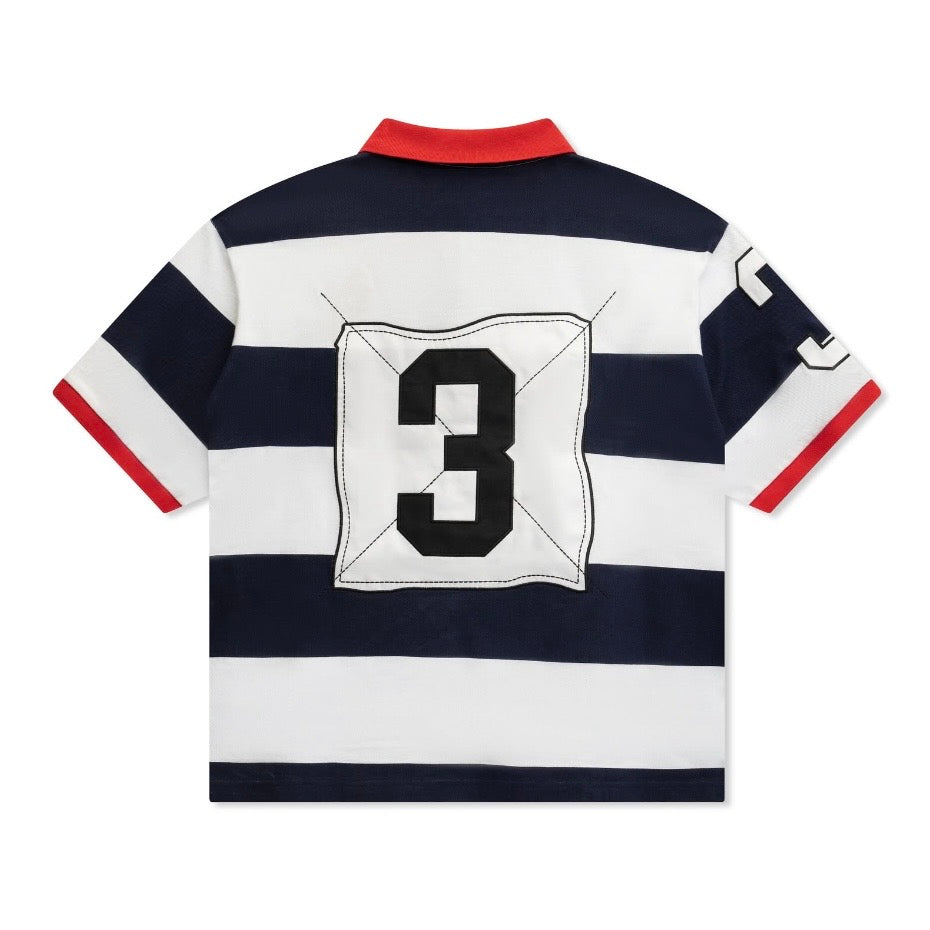
More than most founders admit, this early rigor counted. Plenty of apparel new brands launch with a logo and a aspiration, then hustle to fix quality issues after the initial round of buyer feedback. We Are Righteous took the reverse path, spending extra time on sizing tests and material trials before launching anything publicly. That opening launch was purposefully modest, limited to a few core silhouettes, so the team could gather real feedback instead of guessing at scale. That feedback loop became a lasting fixture of how risen king the brand operates, still shaping decisions in 2026 the same way it did at launch.
There’s also a community angle to the founding narrative that’s simple to pass over. The founders weren’t trying to build a brand in isolation — their goal was for those who connected with the “righteous” mindset to sense they’d discovered something made just for them. Those early supporters went beyond simply buying; their input on fit, color, and fabric weight was treated as collaborative feedback that directly shaped the next batch produced. That dynamic is part of why so many long-term fans describe the brand as feeling personal rather than corporate.
What Powers Righteous Apparel’s Vision
At the center of every righteous apparel release is a simple test: does this piece hold up to both physical wear and the values the brand claims to represent? That two-part filter shows up in decisions about stitching density, fabric weight, and even which prints make it to production. The team has said no to plenty of designs that looked fine on paper but didn’t match the brand’s standard for longevity or message.
This isn’t the kind of brand hunting down every fleeting fad that shows up online. Instead, the focus in designing shifts toward pieces made to endure — cuts and colorways that won’t look dated in eighteen months. This stands in deliberate opposition to fast fashion’s pattern of overproduction and rapid obsolescence, which regularly rolls out new “must-have” items every couple of weeks and discards last month’s version almost immediately. Because the team is optimizing for a five-year wear life, not a five-week trend window, Righteous apparel needs a longer runway to create.
There’s also a strong commitment to openness that shows up in customer communication. Sizing charts, fabric composition, and care instructions are presented clearly instead of hidden in the small print, because the founders believe trust is built through clarity, not marketing spin. That approach has paid off in customer retention — repeat purchase rates for the brand’s core hoodie line have consistently outperformed its single-item buyers, according to internal sales tracking shared by the company in past updates.
The Righteous Hoodie: a Flagship Piece
The righteous hoodie is, more than any other item, the product that expresses the brand’s character. It became the flagship item almost by accident — demand for different colorways exceeded every other item in the catalog, and the team took note. What explains the garment’s popularity goes beyond the name printed across the chest; it comes down to a fit that works for a range of body types and a weight that holds up in chillier months without becoming bulky.
Manufacturing choices for the hoodie mirror the company’s broader values. Bolstered cuff bands, reinforced double-stitched seams at pressure zones, and a textile mix picked for both comfort and toughness all trace back to that core belief: apparel should hold up over time, not just look good in a catalog shot. Customers who’ve owned the hoodie for multiple seasons often report in reviews that it holds its shape and color better than comparable pieces from bigger-name competitors, which matters more to loyal wearers than flashy marketing ever could.
Within the brand’s community, the hoodie has also turned into a kind of cultural marker. Putting it on suggests you know the brand’s backstory and share its values — not simply that you like the design. Building that is harder than designing a good logo — it requires consistent product quality over multiple release cycles, which is exactly what the flagship hoodie has delivered since it first appeared in the catalog.
What a Righteous Review Really Shows
Look up a righteous review online in 2026 and a pattern shows up fast: buyers concentrate less on hype and more on fit, fabric feel, and whether the item lives up to its product description. That’s a meaningful shift from the exaggerated unboxing culture that dominates a lot of streetwear marketing. People reviewing We Are Righteous tend to talk about specific details — how the hoodie fits after repeated washes, whether the stitching holds together, whether the sizing runs accurately.
That level of detail in a we are righteous review reflects the brand’s genuine performance rather than just its promotional messaging. Reviews that focus on durability after repeated wear, rather than just first impressions, tend to carry more weight with prospective buyers, and that’s exactly the type of feedback this brand has built its reputation on.
Common themes across a we are righteous review also touch on customer service responsiveness and how closely the finished product matches what’s shown online. Matching marketing images to the actual delivered product is one of the most praised aspects, given how many online apparel brands struggle with that very gap. When shoppers describe the product as looking “just like the photos,” it’s a meaningful sign in an industry plagued by mismatched expectations.
We Are Righteous Brand Comparison
For context, here’s how the we are righteous brand’s key attributes stack up against typical fast-fashion competitors in the same price tier.
| Category | We Are Righteous | Standard Fast-Fashion Rival |
|---|---|---|
| Release cadence | Seasonal releases built around lasting value | Weekly drops, trend-chasing |
| Textile strategy | Sturdier weight with reinforced seams | Lightweight, cost-minimized |
| Feedback process | Direct customer input informs future batches | Limited feedback, purely data-based |
| Flagship product | Righteous hoodie, repeat-purchase favorite | Constantly rotating “hero” pieces with weak retention |
| Brand voice | Rooted in values and delivered consistently | Driven by trends and inconsistent |
This isn’t intended as a wholesale knock of competitors — fast-fashion models serve a purpose for shoppers prioritizing low prices over longevity. But it does clarify why so many people specifically searching for a righteous clothing brand end up staying loyal once they’ve tried a piece firsthand. The brand’s core appeal is distinct intentionally, not by accident.
Where the Brand Stands in 2026
Looking ahead to 2026, We Are Righteous keeps broadening its range while staying true to the same founding principles that guided its earliest release. Fresh color options and silhouettes have been added, but the focus on long-lasting materials and transparent marketing has remained steady. The label’s expansion has been steady rather than rapid, which fits its approach of expanding at a careful pace and avoiding the overextension that topples so many clothing startups.
The clearest sign of its health remains customer loyalty. Season after season, the flagship hoodie remains a leading seller, while repeat buyers keep anchoring sales. For anyone weighing whether to try the brand for the first time, the founding story offers a valuable way to look at it: it’s not a label after fast internet fame, but rather one built around the belief that clothing should express values as much as style. That very difference which continues to keep righteous clothing set apart in a crowded market.